
Embracing the Legacy of American Architects Executing their Visionary Approach to Shape our Understanding of How Art and Style can be Combined with Form and Function
.
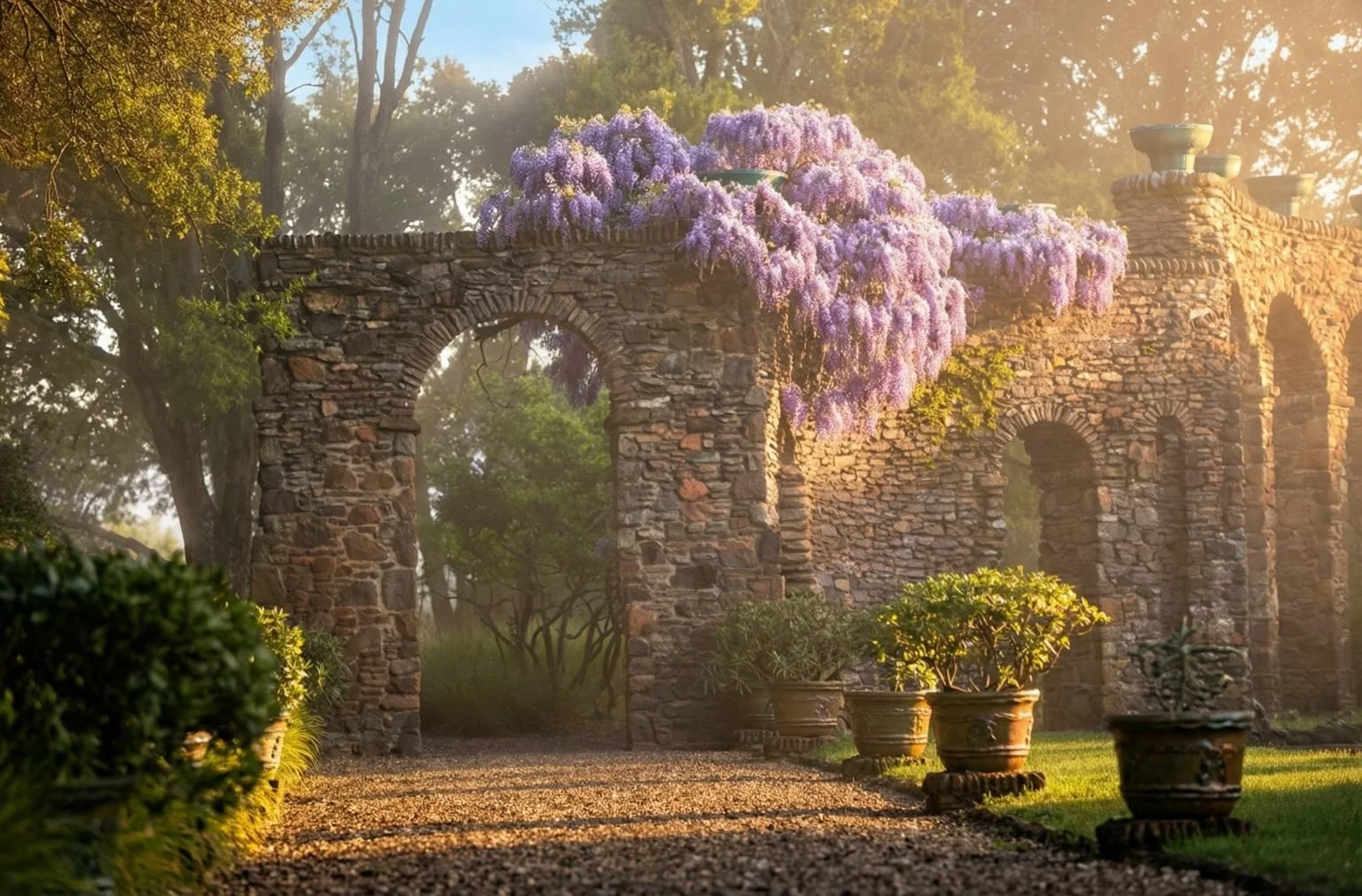
The architectural firm of Greene and Greene was established in Pasadena in January 1894, eventually culminating with the designs of their "ultimate bungalows", such as the 1908 Gamble House in Pasadena, generally considered one of the finest examples of residential architecture in the United States.
In 1966, the Gamble family turned the house over to the city of Pasadena in a joint agreement with the University of Southern California (USC) School of Architecture. The Gamble House was declared a National Historic Landmark in 1977.
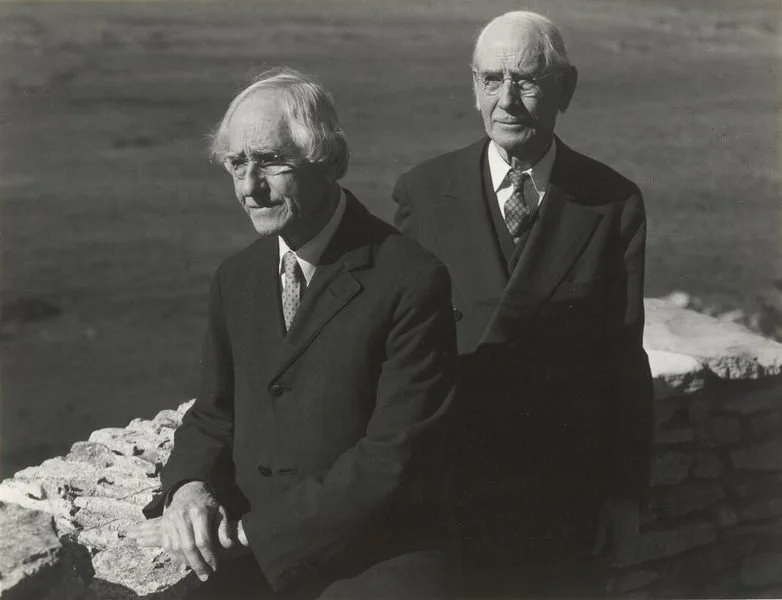
Charles Greene & Henry Greene
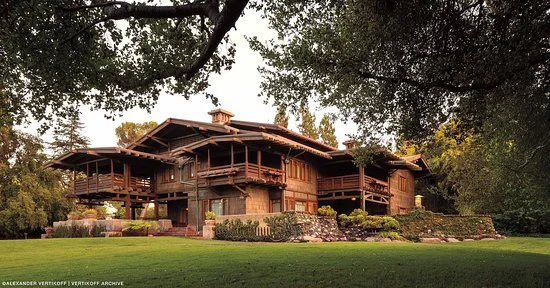
Garden View of Gamble House
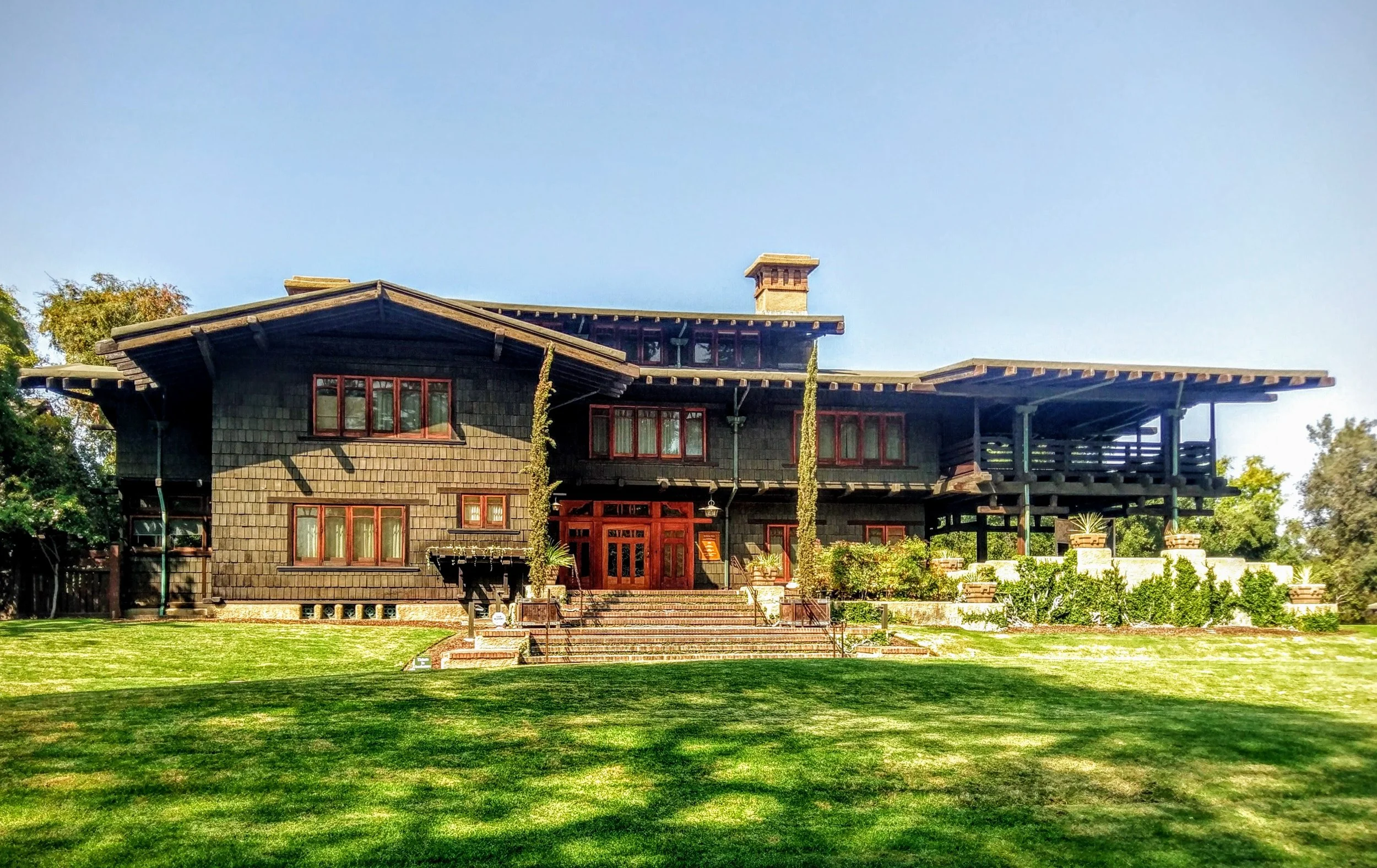
Front View of Gamble House
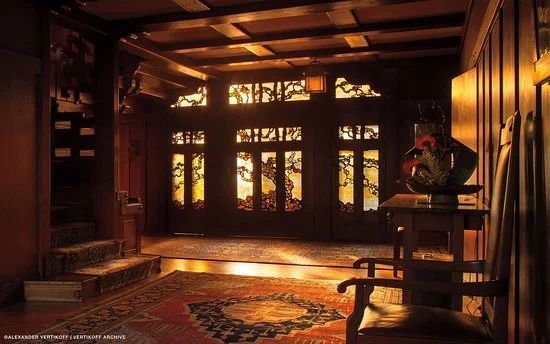
Interior Entry of Gamble House
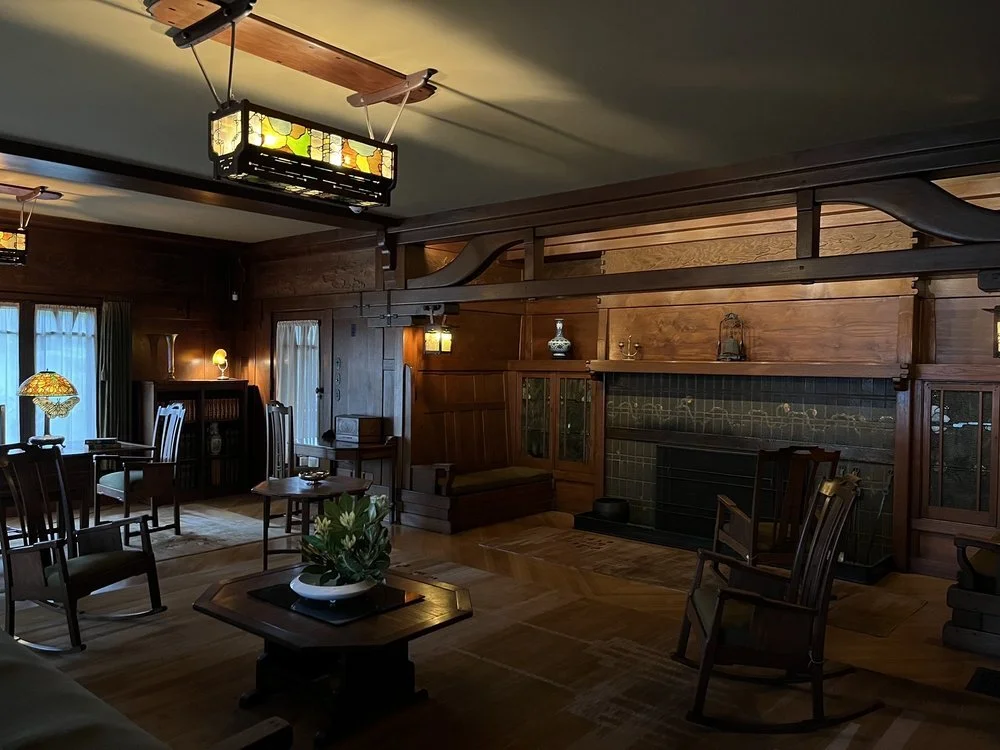
Living Room Fireplace of Gamble House
Additional Works
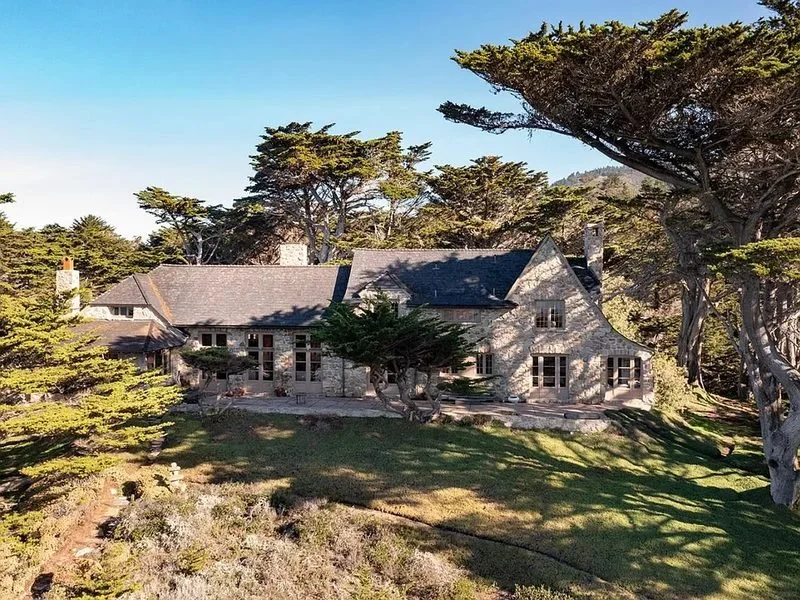
Martin A Flavin Residence
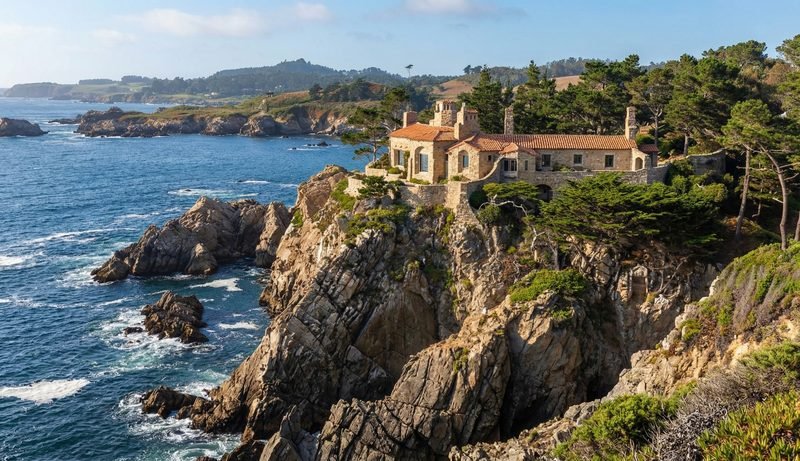
DI James Residence
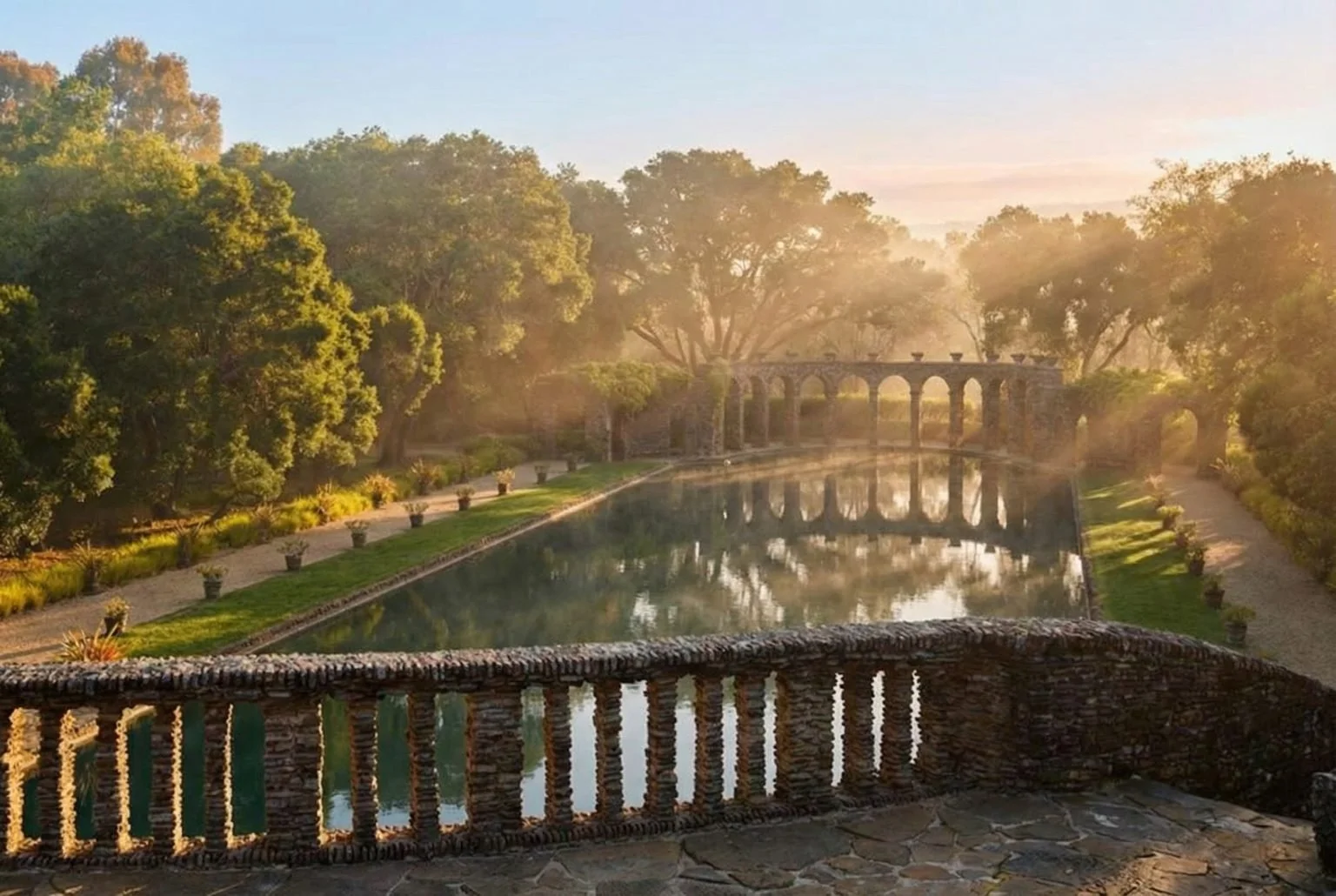
Mortimer Fleishacker Estate Reflection Pond
Gamble House
Mortimer Fleishacker Estate Garden
Inspired by Revivalism and Reflecting on Examples from the Past to Formulate the Vision for What Comes Next
.
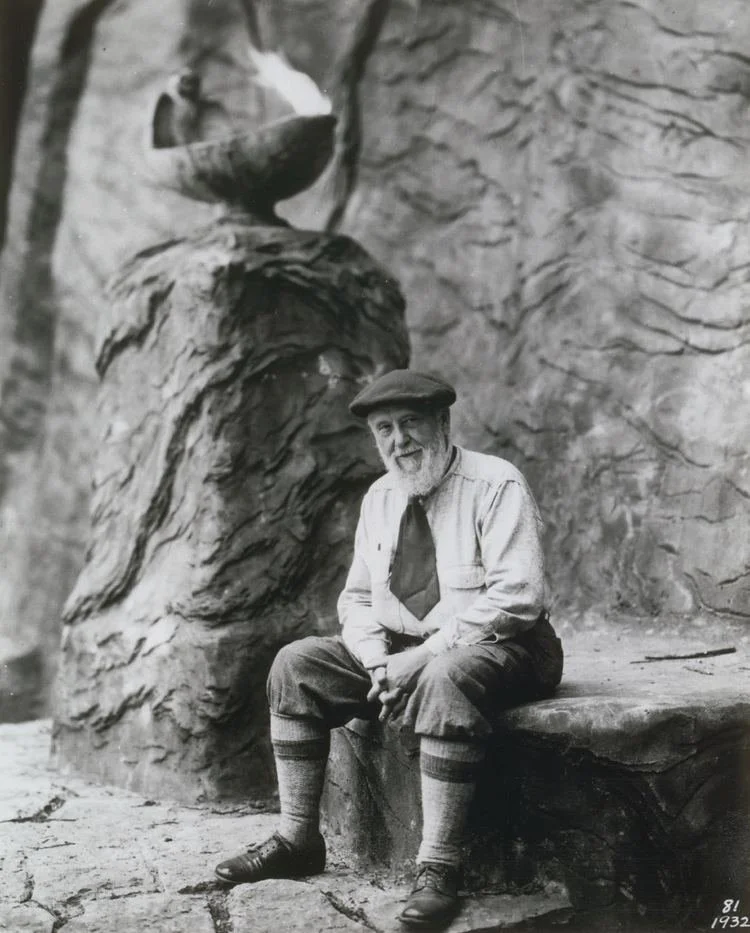
Bernard Ralph Maybeck was an American architect. He worked primarily in the San Francisco Bay Area designing public buildings, including the Palace of Fine Arts in San Francisco, and also private houses, especially in Berkeley, where he lived and taught at the University of California. A number of his works are listed on the National Register of Historic Places.
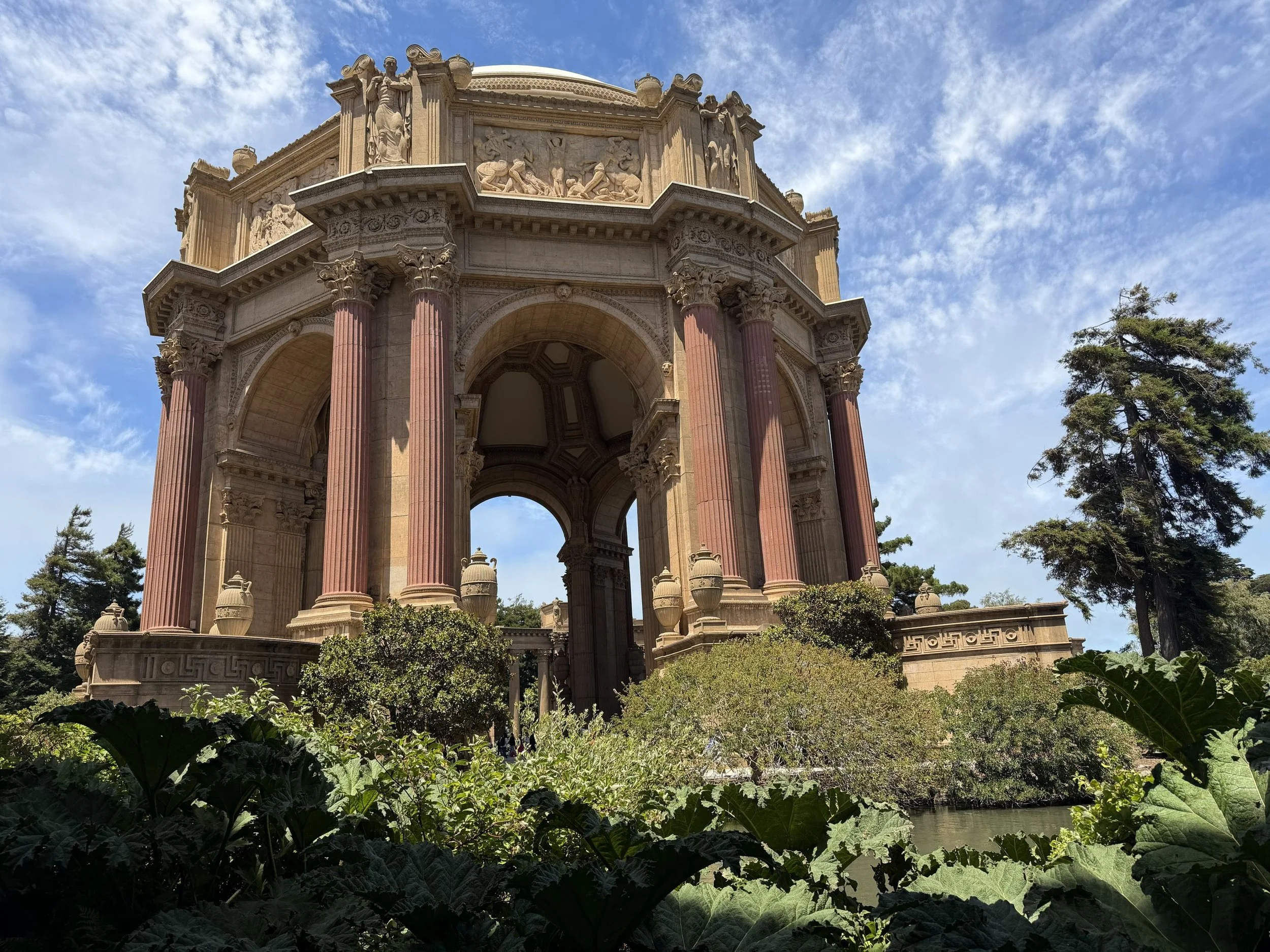
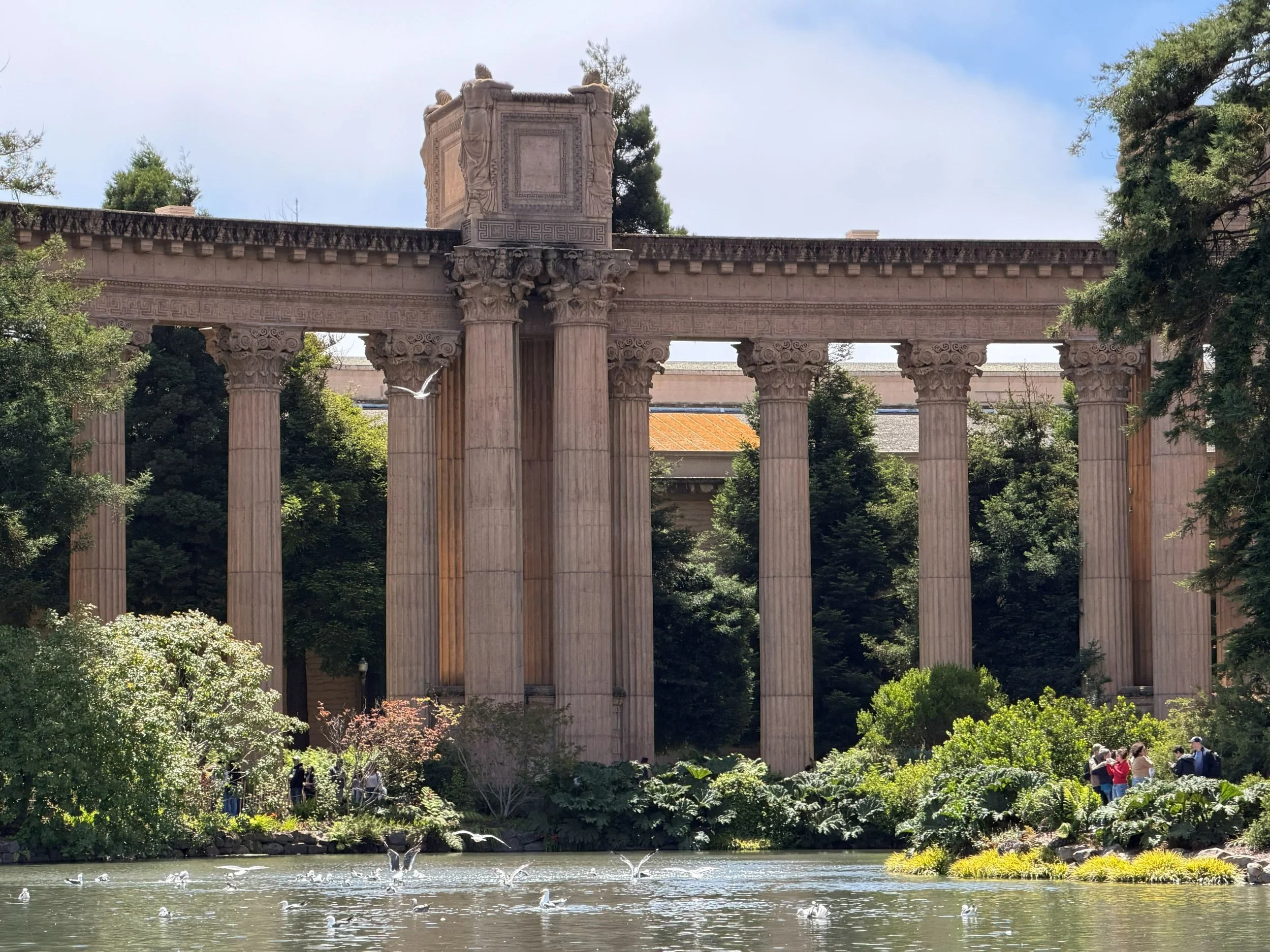
The domed Palace of Fine Arts was designed for the 1915 Panama-Pacific International Exposition. The Palace of Fine Arts was seen as the embodiment of Maybeck's elaboration of how Roman architecture could fit within a California context. Maybeck said that the popular success of the Palace was due to the absence of a roof connecting the rotunda to the art gallery building, along with the absence of windows in the gallery walls and the presence near the rotunda of trees, flowers and a water feature.
Bernard Maybeck
Rotunda SF Palace of Fine Arts
Landscape of SF Palace of Fine Arts
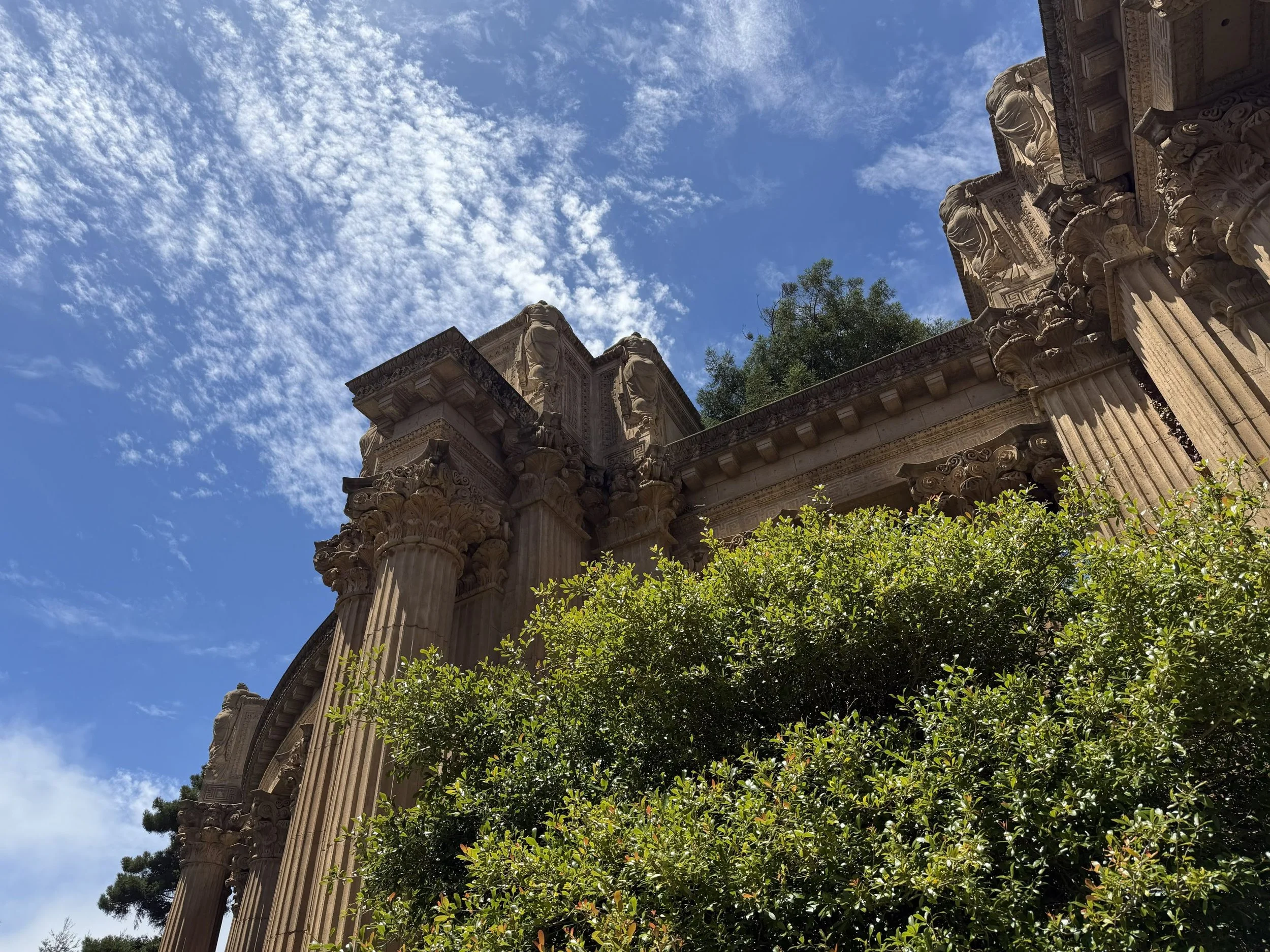
Skyview of SF Palace of Fine Arts
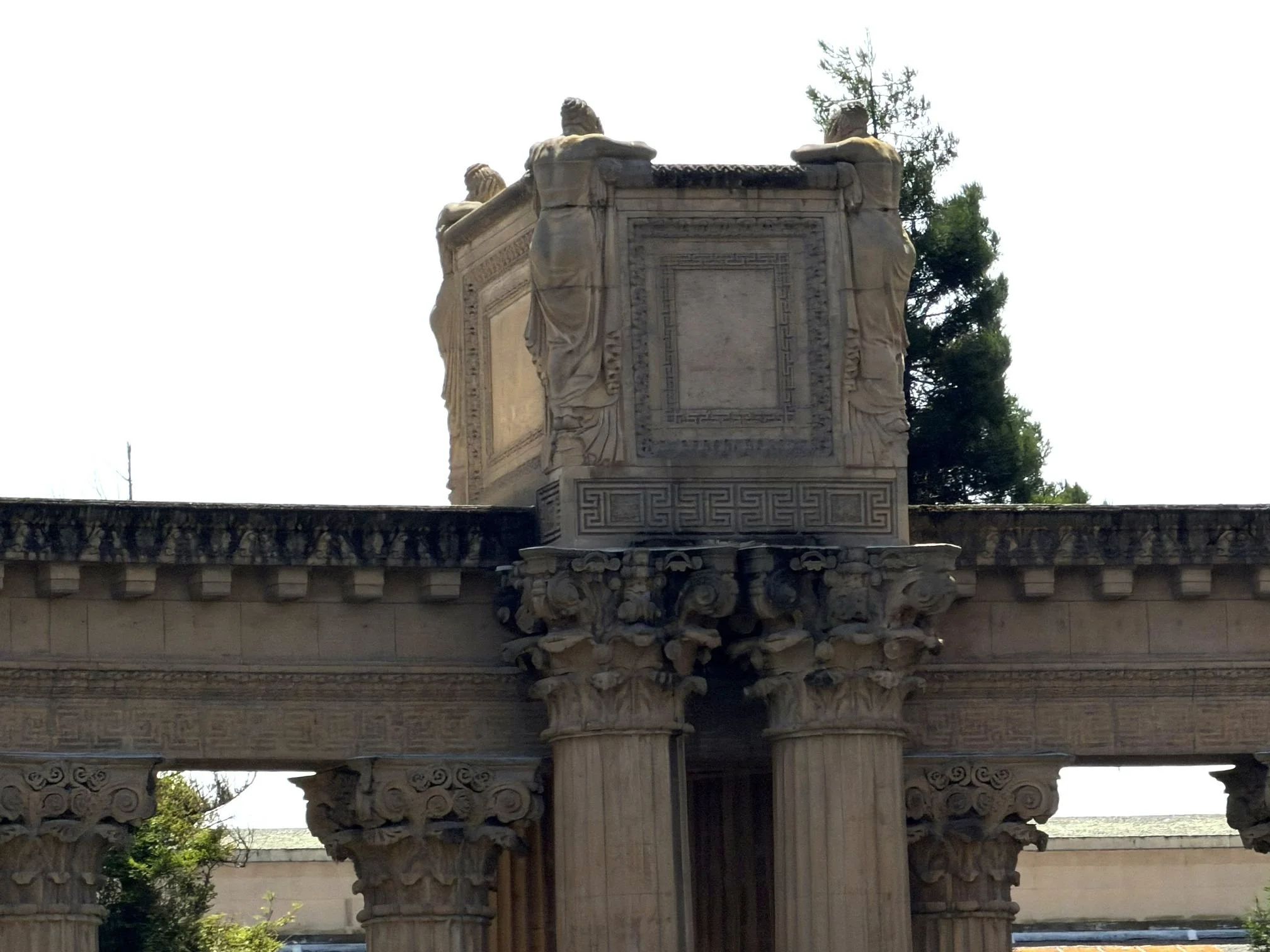
Sculptures at SF Palace of Fine Arts
Additional Works
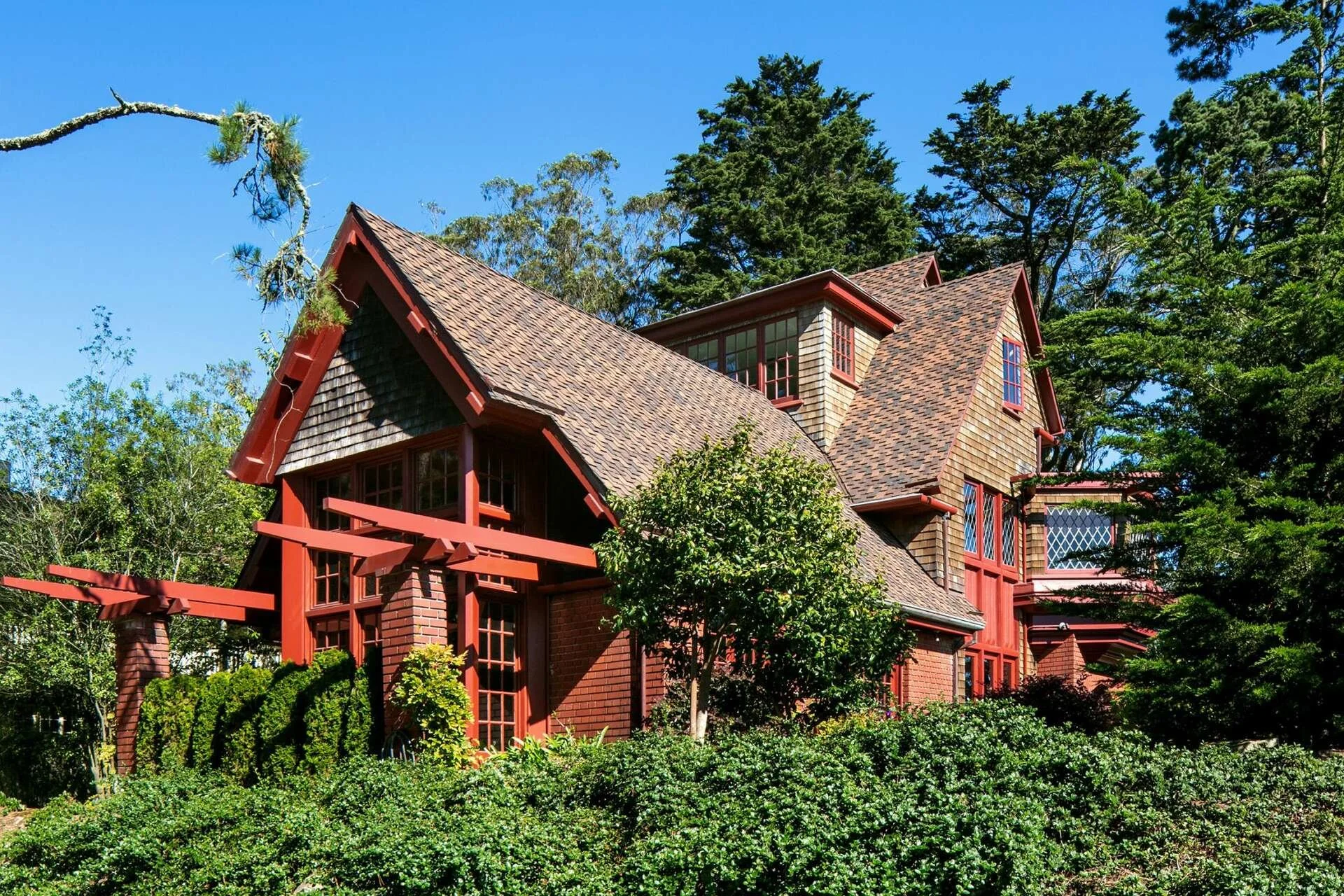
San Francisco Home
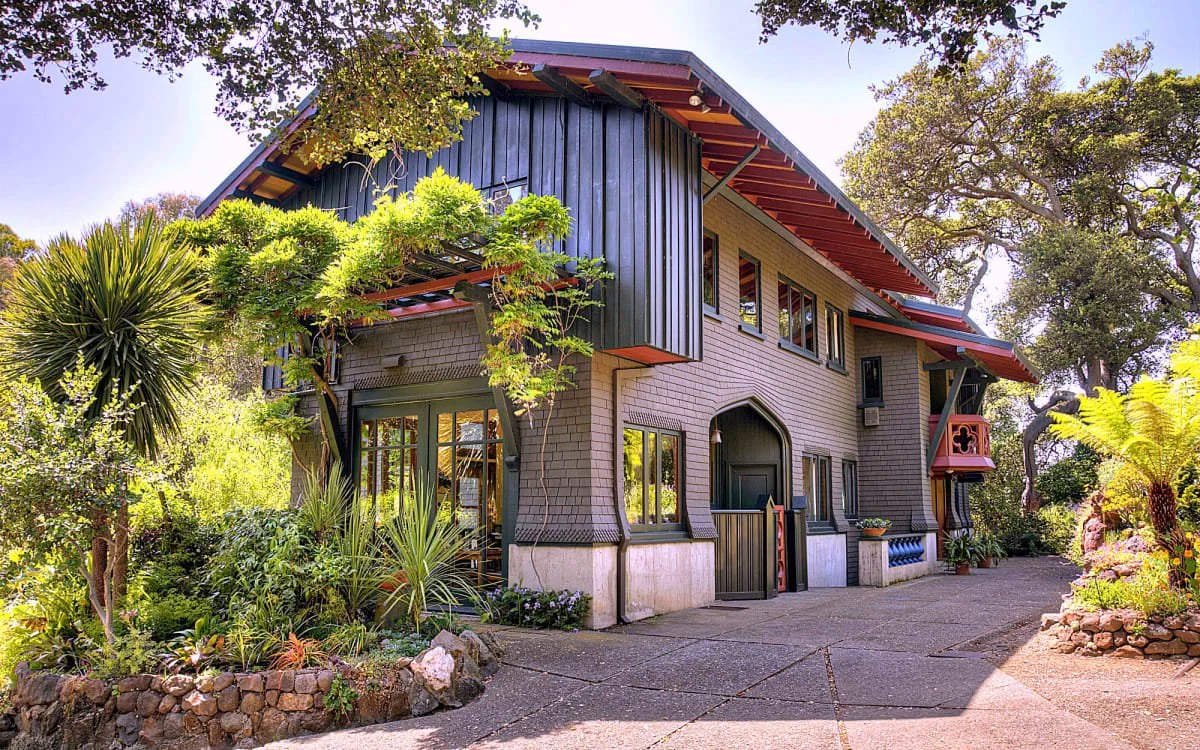
Maybeck Residence
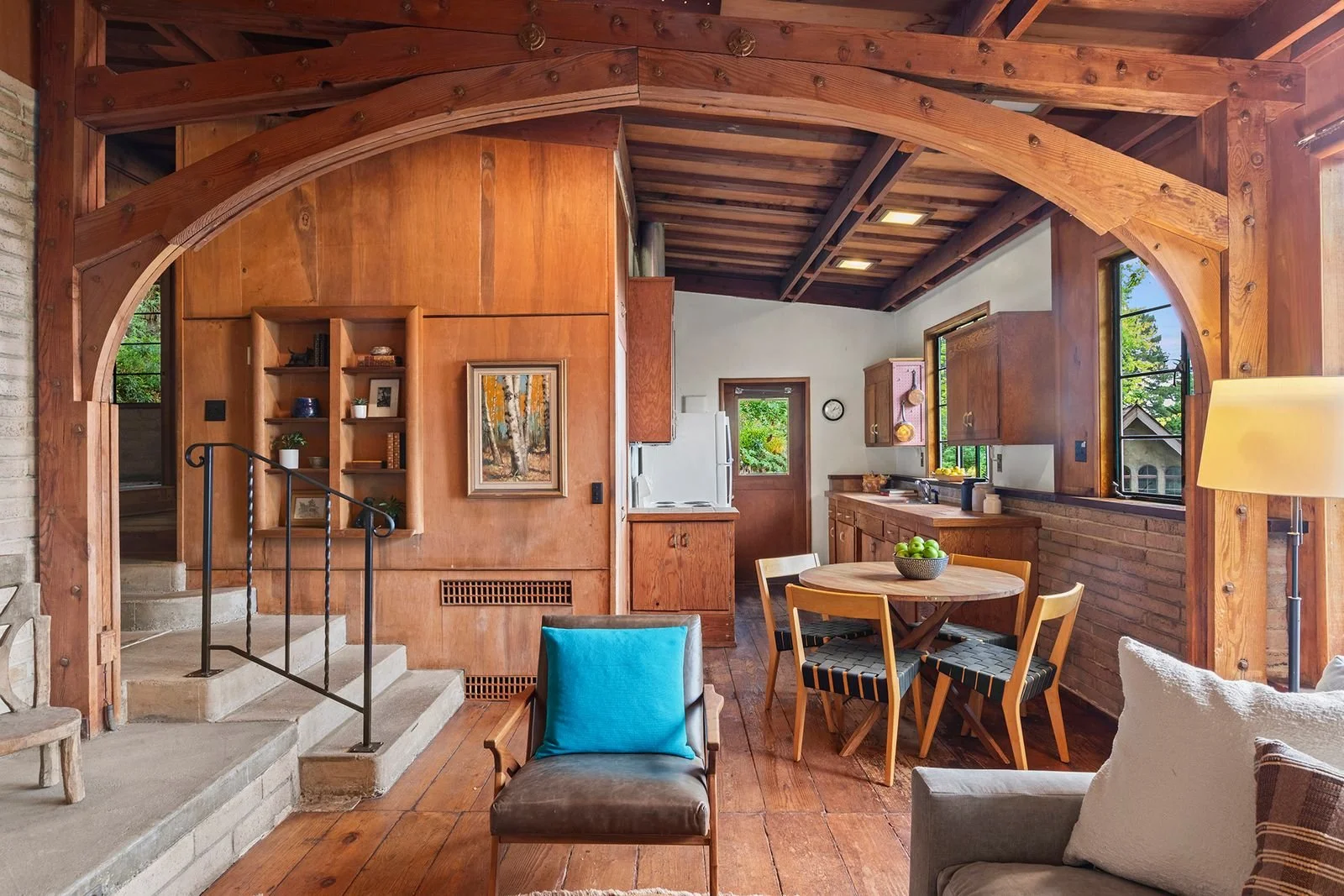
Maybeck Residence Interior
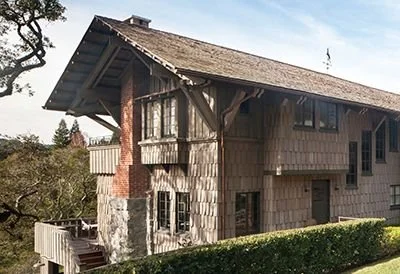
SF Palace of Fine Arts
Maybeck Marin Home
Integrating Buildings with the Natural Environment to Reinforce Connection between People and Planet
.
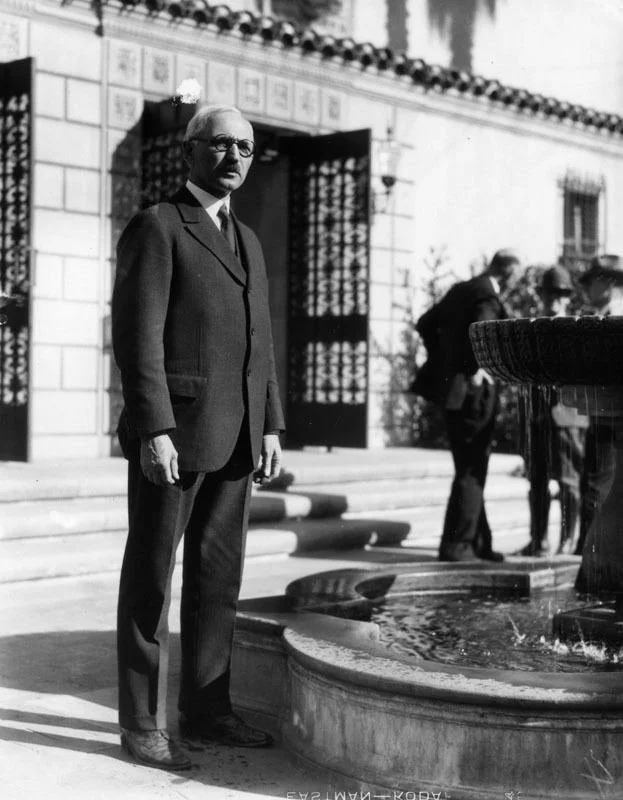
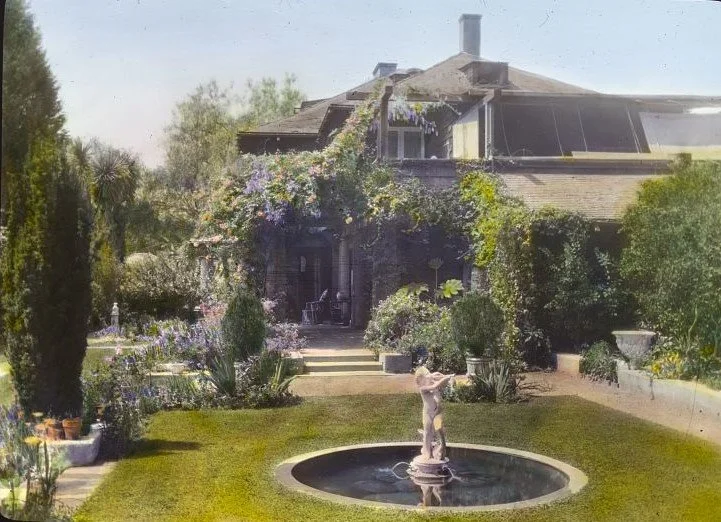
Myron Hubbard Hunt was an American architect whose numerous projects include many noted landmarks in Southern California and Evanston, Illinois. Hunt was elected a Fellow in the American Institute of Architects in 1908
Hunt is mentioned in the writings of Frank Lloyd Wright and other Chicago architects of the era as an early member of the group which came to be known as the Prairie School, but in 1903 he moved to Los Angeles, where he entered into a partnership with architect Elmer Grey (1871–1963). Opening an office in Pasadena, the firm of Hunt and Grey soon became popular with the well-to-do denizens of that city, who were building many costly houses during that period.
Myron Hunt
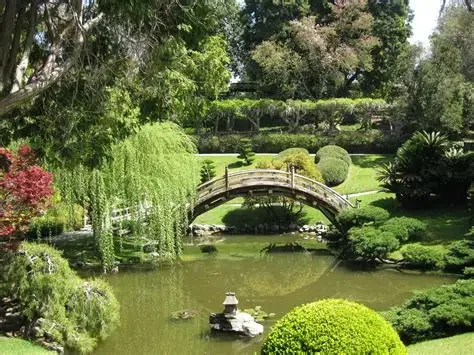
Japanese Bridge at Huntington Gardens
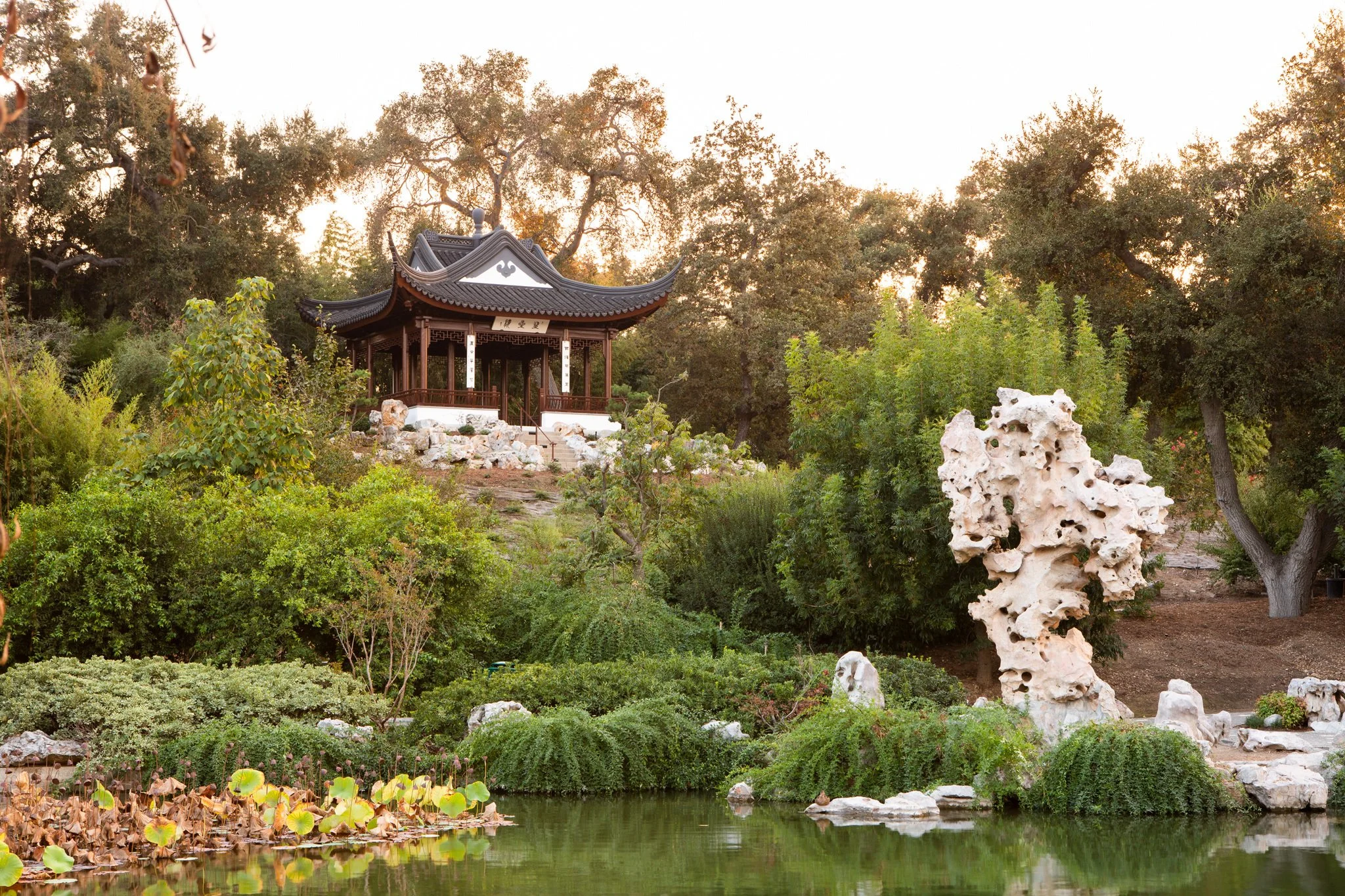
Pagoda at Huntington Gardens
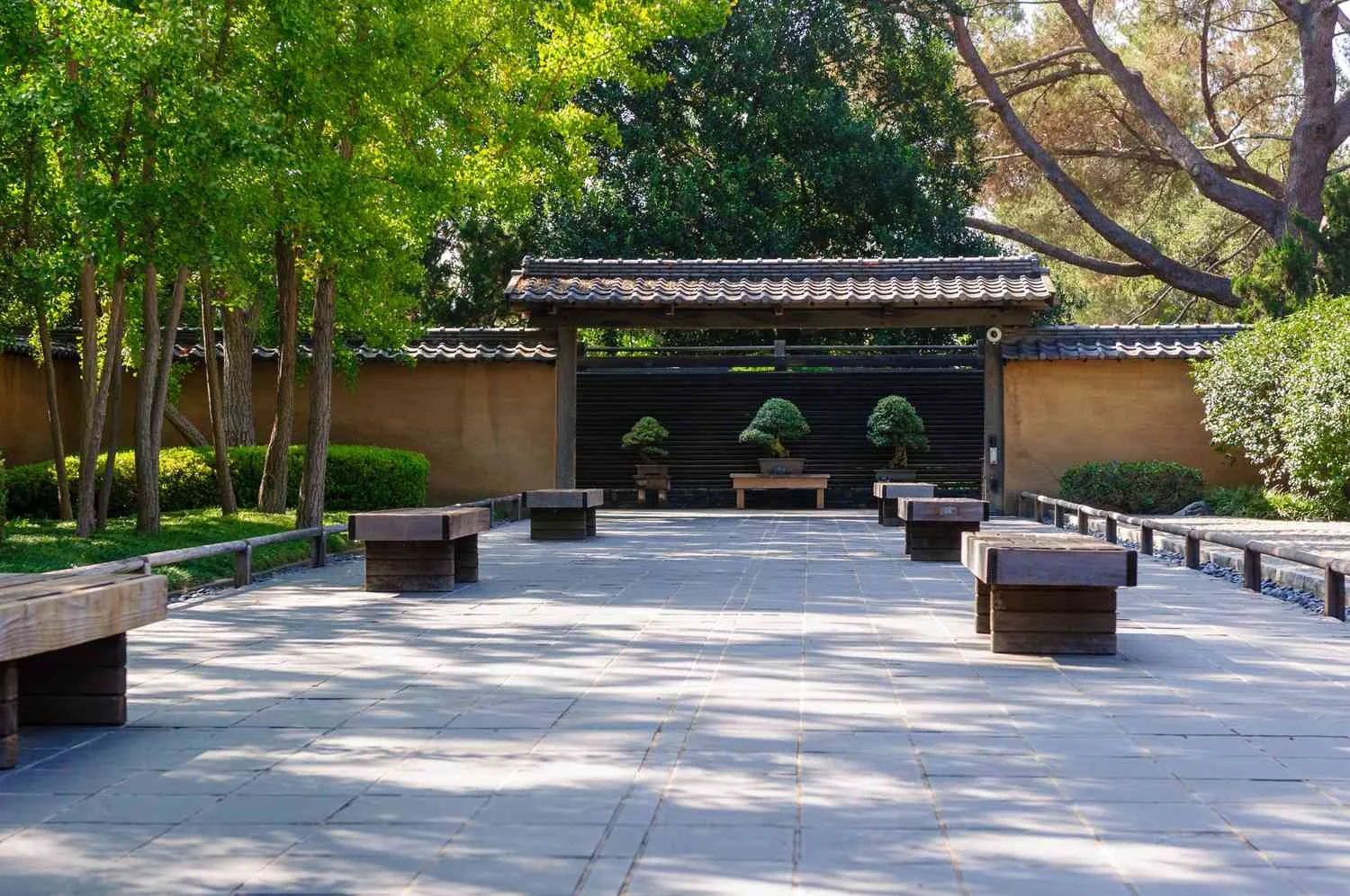
Fenced Garden at Huntington Gardens
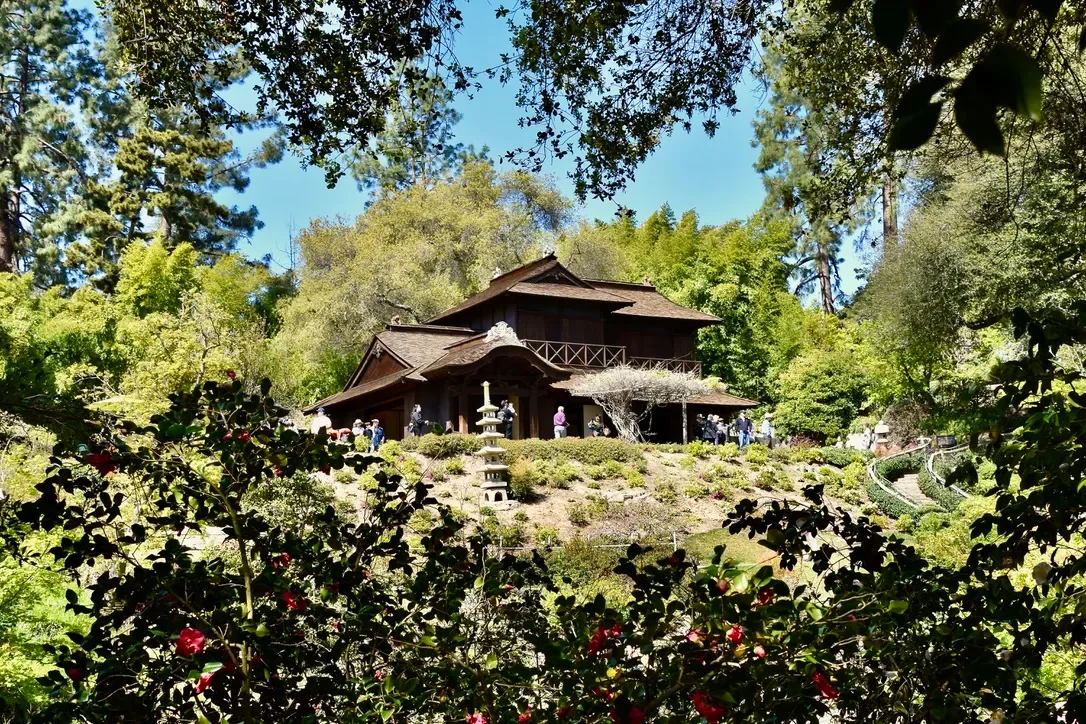
Japanese House at Huntington Gardens
Additional Works
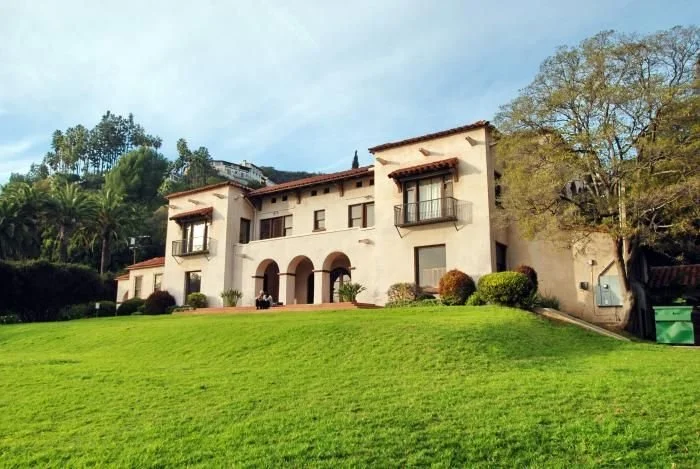
Wattles Mansion
Myron Hunt Residence
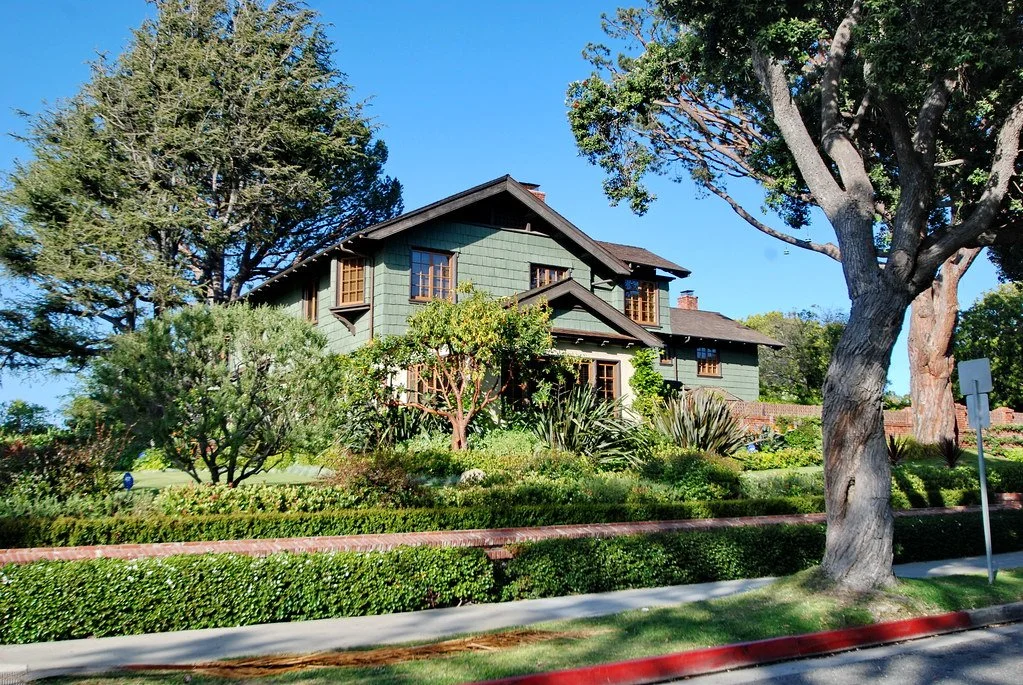
Gillis House
Pasadena Huntington Gardens
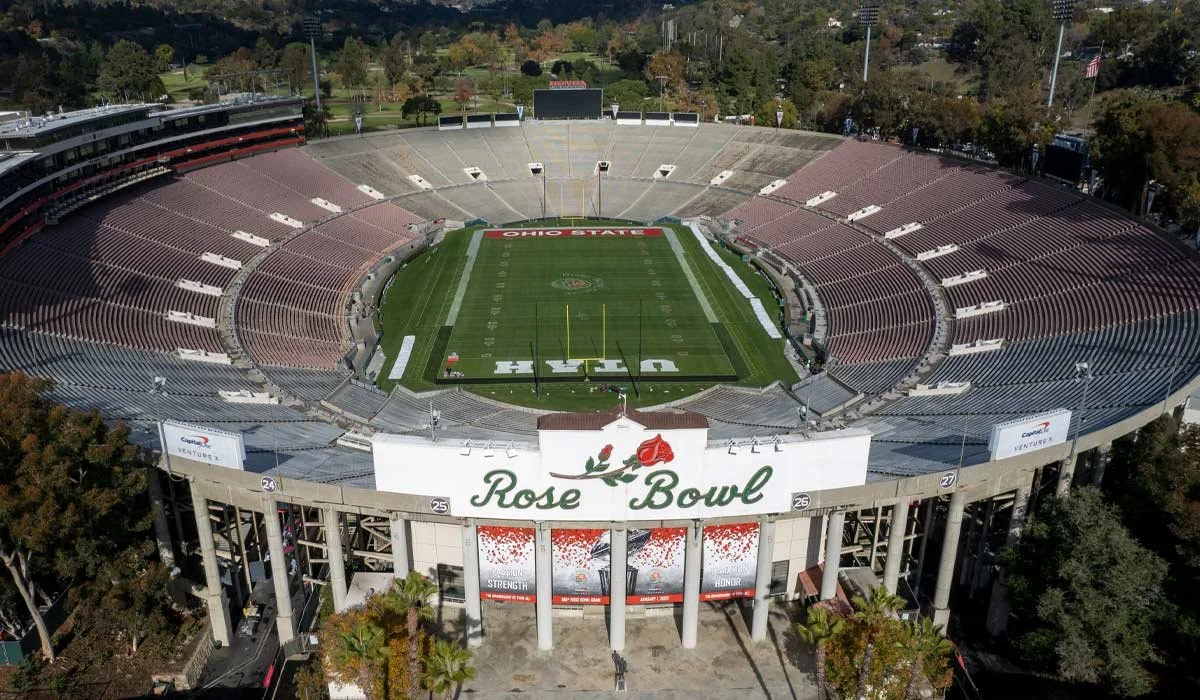
Pasadena Rose Bowl